Home Services About Reviews Contact 9255031377

Cedar Shake Roofing in Walnut Creek, CA

Walnut Creek Roofers installs and repairs cedar shake roofing: hand-split wood shake laid in staggered courses over new underlayment, never a shingle patch over the top. Call 9255031377. Summer hail and winter storm systems push water under shakes that have dried and cupped, so we strip back to the decking before quoting a fix.

Cedar shake roofing costs more than asphalt, and the line-item estimate should show why. The shake itself, stainless nails and screws, the underlayment spec, labor hours, and debris disposal each get their own line, so you can see where the money goes.

What drives price: roof pitch, how much rotted plywood or OSB sheathing has to be replaced, whether old layers can be recovered instead of torn off, and how the roofline breaks around chimneys, skylights, and parapets. Steep pitches add scaffold and safety harness time.

Cedar is the right call when the wood look is part of the architecture or a shaded low-slope area stays damp. If the budget is tight, an asphalt shingle roof replacement or a coated flat membrane usually makes more sense, and we'll say so.

Waterproofing details matter more than the wood. We use a self-adhered ice-and-water shield at the eaves and valleys, replace step flashing and counter-flashing rather than reusing them, and check for a vapor barrier problem in the attic after storm damage.

When the job calls for shingles, we install lines from GAF, Owens Corning, or CertainTeed and tell you which grade you are paying for. On tile sections we check the purlins and replace any rotted batten or counterbatten grid.

Torch-applied modified bitumen and standard bituminous products need a dry, flat substrate before anything goes down. On metal we add anchors and snow guards where sliding over a walkway or awning is a real risk.

Aluminum and coated steel trim gets checked during the same pass, and we tarp the roof the same day if a section stays open overnight.

A roofer who only installs asphalt will tell you to tear the cedar off. We'll tell you what is repairable, what needs a full tear-off, and what a recover over the existing deck would mean for weight and warranty.

What's Included

  • Full tear-off of the old wood shake down to the roof deck, including removal of failing roofing felt and tar paper left from an earlier overlay.
  • Decking inspection, with rotted plywood or OSB sheathing replaced and the substrate re-nailed before new material goes down.
  • New synthetic underlayment across the field, plus a self-adhered ice-and-water shield, a peel-and-stick adhesive membrane, at the eaves and valleys where an ice dam could form.
  • New drip edge at the eave, rake, and gable verge, with fresh pipe flashing, boot flashing, vent boot, and apron flashing at every penetration.
  • Cedar shake installation with a correct starter course, staggered courses, and a head lap matched to the shake grade.
  • Ridge cap and ridge vent work so attic ventilation moves heat out of the roof deck instead of cooking the shakes from below.
  • Gutter and downspout check, magnet sweep for nails, and dumpster haul-away of all debris at the end of the job.
  • Signs You Need Cedar Shake Roofing

  • Shakes that curl, cup, or split at the ends after hot, dry summers, which means the wood has dried past the point where it sheds water.
  • Bare gray surface with no mill glaze left, a sign the cedar has lost its oils and is showing end-of-life wear rather than normal weathering.
  • Rust streaks or dark stains down the shake faces, usually where exposed fastener heads have corroded and water is seeping at the nail line.
  • Moss and algae-stained patches on the north slope, where shade and winter rain keep the wood wet long enough for growth.
  • Sag or soft spots you can feel while walking the rooftop, pointing to rot in the sheathing or a rafter that has taken on water.
  • Wet framing or daylight in the attic after a storm, meaning the underlayment has failed even though the shakes still look intact.
  • Our Cedar Shake Roofing Process

  • Roof inspection first: we walk the roof, measure in roofing squares, photograph the shake, and test the deck for moisture content.
  • A free roof estimate in writing, broken into materials, labor, and disposal, with warranty terms stated up front.
  • Protection and prep: tarps over landscaping, a dumpster in the driveway, then ladders and a safety harness up before any tear-off begins.
  • Strip and repair: pry bar and roofing shovel work removes the old cedar, and we replace rotted plywood or OSB sheathing and reset loose rafters.
  • Underlayment and flashing: self-adhered membrane at the eaves and valleys, synthetic underlayment across the field, new chimney flashing and skylight flashing.
  • Install and clean up: starter course, staggered courses, ridge cap and ridge vent, with a nail gun run off an air compressor and exposed heads hand-sealed.
  • Why Walnut Creek Chooses Walnut Creek Roofers

    We're a licensed & insured roofing contractor, and cedar shake roof repair, roof replacement, and storm damage work on wood, slate, and tile roofs make up most of our roofing services across the East Bay.

    First-Class Service

    Certified installers and a meticulous process from inspection to cleanup.

    Premium Materials

    Top-tier products backed by manufacturer and workmanship warranties.

    Long-Lasting Results

    Built to withstand Walnut Creek's climate for decades of protection.

    Explore Our Other Services

    Cedar Shake Roofing Across Walnut Creek Metro

    Cedar shake roofing covers Walnut Creek and the surrounding East Bay, from Downtown and Rossmoor to Heather Farm, Castle Rock, and Green Valley, plus the hillside homes under Mount Diablo and along Lime Ridge Open Space Preserve.

    Need Cedar Shake Roofing in Walnut Creek?

    Recent Cedar Shake Roofing Projects in Walnut Creek

    Real work, real roofs — a sample of completed jobs
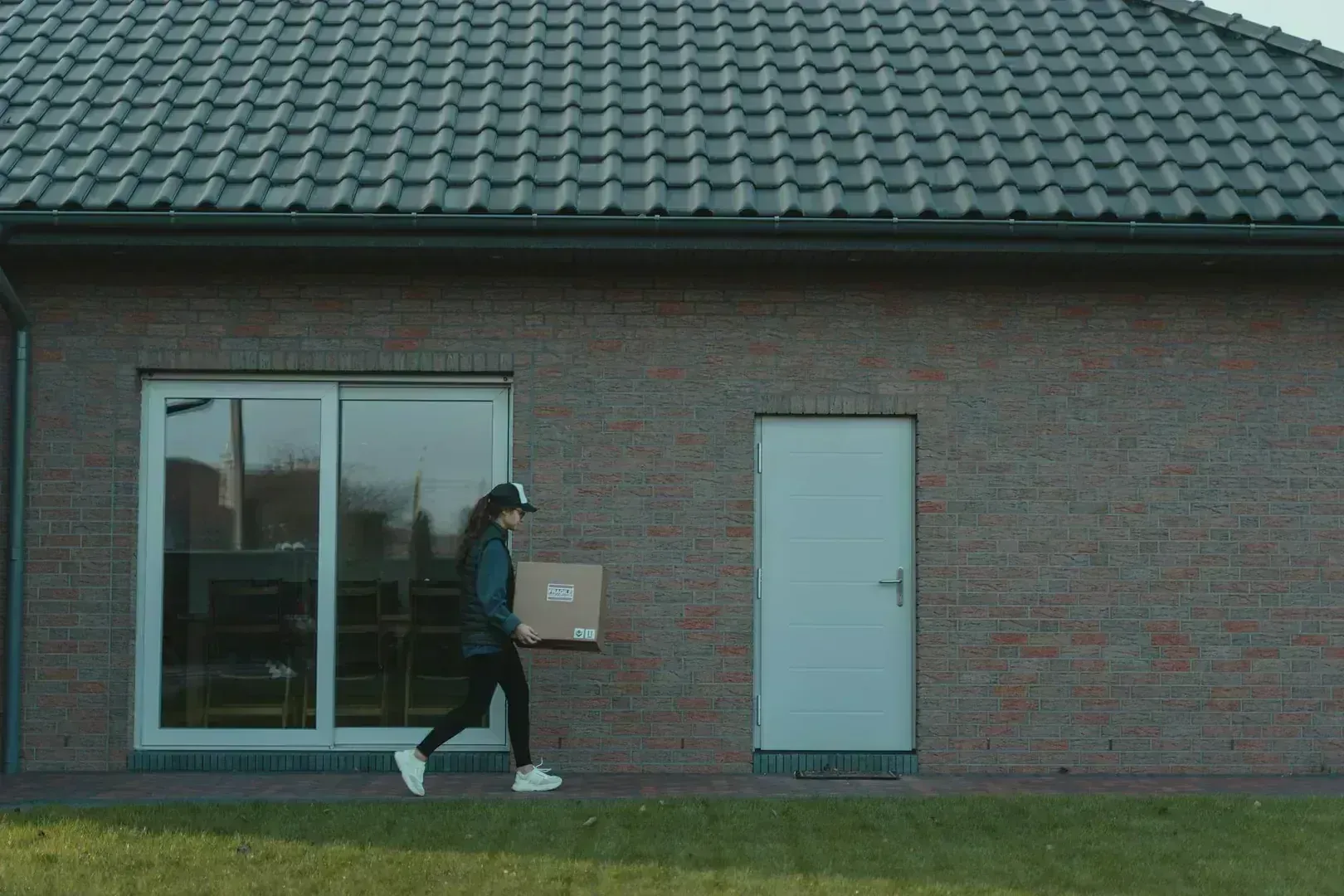
    Completed roofing project
    Roof replacement project
    New roof installation
    Roof repair completed