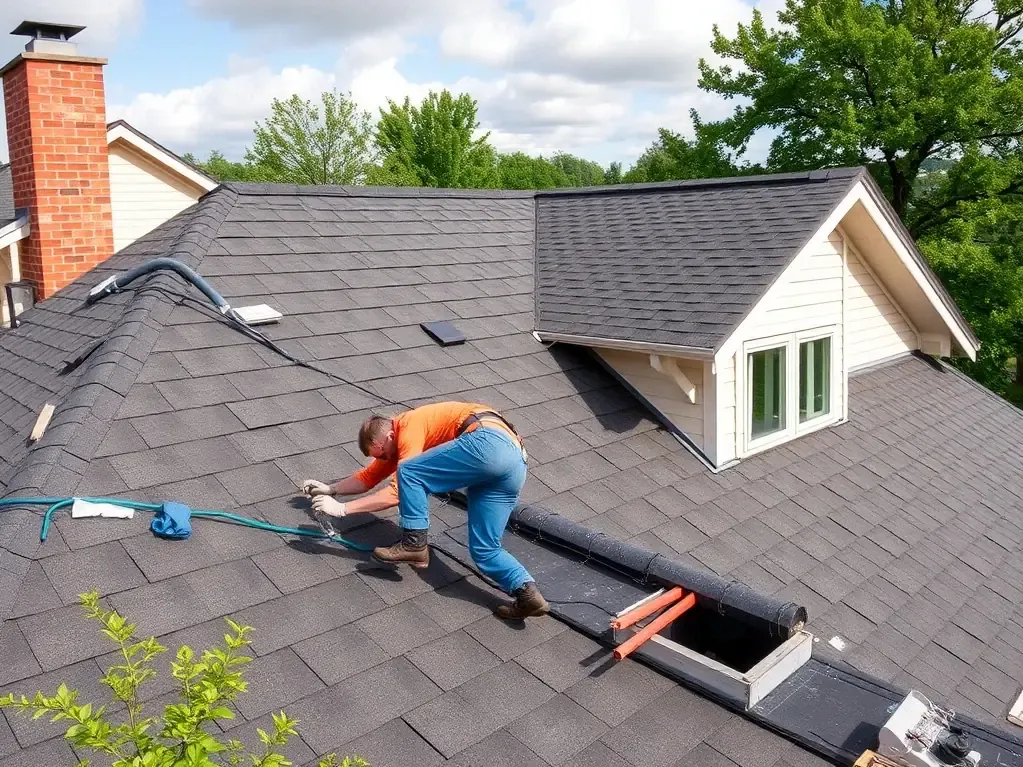
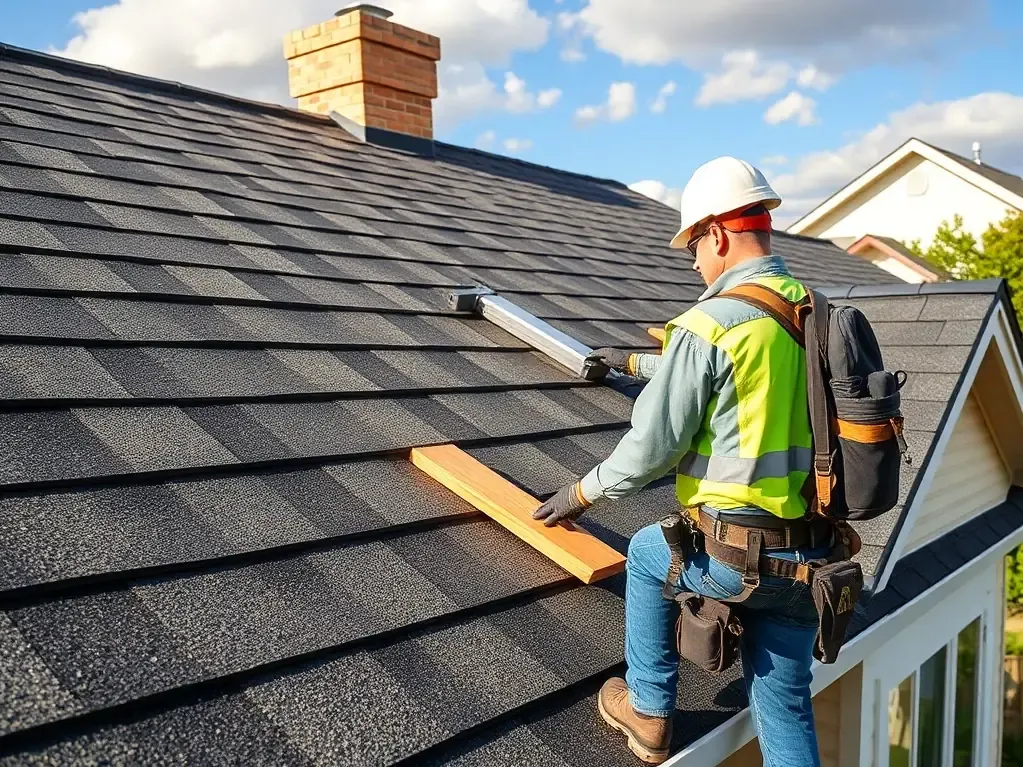
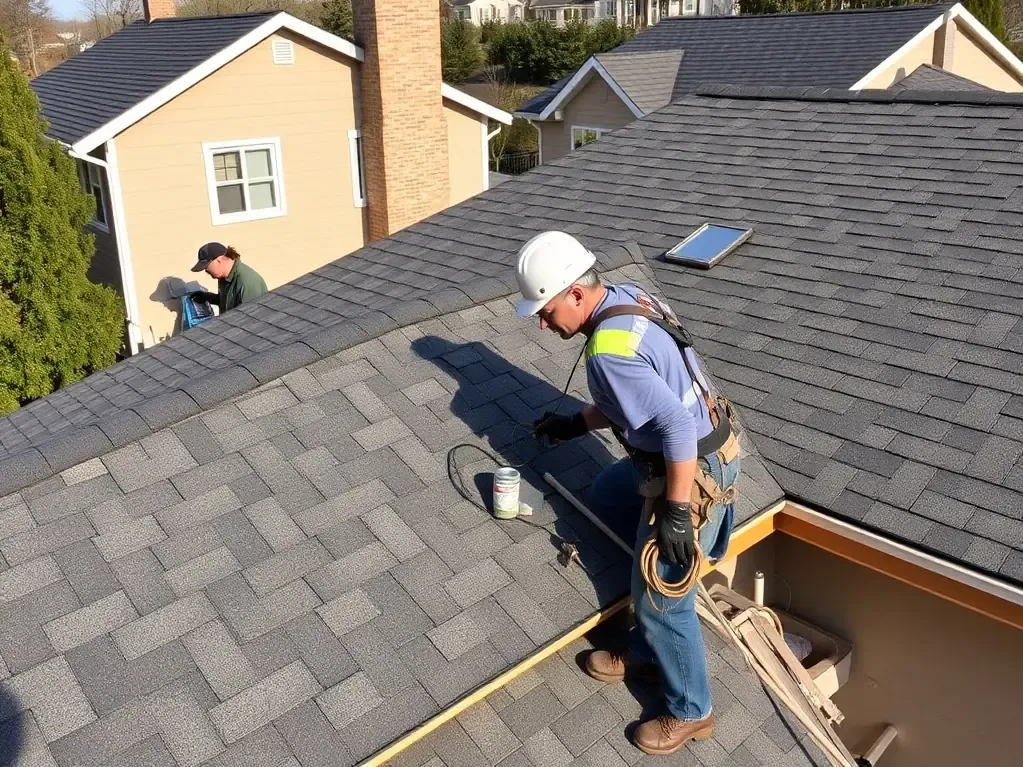
Storm damage repair requires a sound connection between replacement materials and the surrounding roof.
Replacement shingles need compatible dimensions and exposure; damaged underlayment needs correctly lapped repairs.
Self-adhered membranes require a suitable substrate, rather than installation over trapped moisture or loose debris.
Repair costs in Walnut Creek depend on damaged area, roof pitch, access and deck condition. Removing torn roofing can expose rot that requires replacement decking.
A single-story ranch house may offer different access than a condominium, even when visible damage looks similar.
Localized wind damage can justify a targeted repair when surrounding roofing remains serviceable. Widespread granule loss and end-of-life wear can make replacement the better decision.
Prolonged summer sun exposure can age materials before winter rain reveals an existing weakness.
What's Included
Our free on-site roof inspection provides an assessment before scheduling work; storm-related concerns can include missing shingles, lifted flashing and visible damage around roof penetrations.We provide a written, itemised estimate before work is scheduled, giving you a document to review alongside the proposed storm damage repair scope and price.Your approved scope establishes the repairs to be completed; replacement shingles and underlayment are potential components when wind has exposed the layers beneath the roof covering.Flashing repairs address damaged transitions around walls or penetrations when included in the approved scope; surface caulk alone cannot replace missing or incorrectly positioned metal.Decking replacement may be necessary where water intrusion has caused rot; the extent depends on the condition uncovered beneath the damaged roofing, rather than surface appearance alone.Our own crews carry out the roofing work, rather than handing it to subcontractors, and work starts only after you approve the written scope and price.Every job ends with debris hauled away, a magnetic nail sweep and a walkthrough of the finished roof with you, so completion includes more than material installation.
Signs You Need Storm Damage Repair
Shingles lying in your yard after strong wind suggest the roof covering has been disturbed; look from ground level for corresponding bare or uneven patches.A new ceiling stain or active drip during rain can indicate water intrusion; note its location and timing without entering an unsafe attic or climbing outside.Flashing that appears lifted beside a chimney or wall can leave an opening for wind-driven rain; use a ground-level view rather than approaching the damaged edge.A gutter hanging away from the fascia after a storm may no longer collect runoff correctly; watch for water spilling against the wall from a safe position.Fresh accumulations of shingle granules near downspout outlets can warrant inspection, especially alongside bare shingle patches; granule loss alone does not establish that a storm caused damage.A newly uneven roofline or visible sag needs professional assessment; keep clear of the affected area because damaged decking or framing cannot be evaluated safely from below.
Storm Damage Repair Process
Contact our published phone line with the storm date, visible damage and any active leaks. Emergency roof enquiries use the same number; describe fallen branches or electrical hazards without approaching them.Start with our free on-site roof inspection. A storm assessment should distinguish displaced roofing from older deterioration and trace likely entry points instead of assuming the indoor stain marks the source.Review our written, itemised estimate and proposed scope before scheduling work. Repair extent depends on the covering and underlying deck; concealed deterioration can affect the materials needed for a lasting repair.Approve the written scope and price before work begins. Temporary tarps can limit exposure before permanent repairs, but temporary protection does not replace damaged underlayment, shingles or flashing.Our own crews complete the approved roofing work. Repair details depend on the system: shingle courses require correct fastening and exposure, while flashing needs laps that direct water toward the roof surface.Finish with debris removal, a magnetic nail sweep and our walkthrough of the finished roof with you. Review the completed work against the approved scope before considering the job complete.