Home Services
Locations AlamoBrentwoodConcordDanvilleLafayetteMartinezNewarkOrindaPittsburgPleasant HillSan Ramon
About Reviews Contact (925) 503-1377

Roofing in Brentwood, CA

Brentwood roofing is defined by sun and wind before rain ever enters the conversation.

Licensed & Bonded and fully insured
Written Estimates
Local to Brentwood
Workmanship Warranty

Summers here bake a roof deck for months, then Delta breezes push grit and heat across every ridge and valley.

That cycle ages asphalt shingle and tile faster than most homeowners expect. Housing stock tells the story block by block.

Older single-story ranch homes near downtown carry low-slope sections, original sheathing, and decades of patchwork.

Shadow Lakes, Deer Ridge, and Garin Ranch hold the 1990s and 2000s two-story stucco subdivisions.

Age-restricted communities like Summerset and Trilogy at The Vineyards sit on single-story plans with tight lots and sun-facing rear slopes.

- Intense UV exposure dries out sealant and cracks pipe boots

  • Gusty afternoon winds lift ridge caps and three-tab shingle edges
  • Winter rain between November and March finds any failed flashing
  • Thermal cycling works nails loose and opens seams on older decks

Typical failures cluster predictably. Granule loss and shingle blistering show up on south- and west-facing planes first.

Wind-driven rain then exploits cracked mastic at step flashing and chimney flashing. On stucco homes, failed caulk at wall transitions lets water track behind fascia.

Clay tile and concrete tile roofs common in newer subdivisions hide a different problem.

Broken tiles shed into gutters, and the felt beneath ages out long before the tile does.

A roofer inspecting Brentwood homes should lift a few tiles and check the underlayment, not just scan the roofline from the curb.

Older ranch homes near Brentwood City Park often carry low-slope membrane or built-up roof sections. Those need real drainage attention.

Marsh Creek's winter wet season punishes a ponding roof, and a clogged scupper or downspout turns a small issue into a deck rot problem.

Heat also stresses ventilation. A hot attic with weak soffit vent intake cooks shingles from below.

Adding ridge vent and attic fan capacity is often as important as the shingle itself.

1

What Roofing Work in Brentwood Includes

Work starts with a roof inspection, and that means more than a photo from the driveway.

A proper walk covers the field, the valleys, every penetration, and the attic underside.

The roofer checks decking, rafter condition, and existing ventilation before any roof estimate is written.

Tear-off comes next on most reroofs. Crews strip shingle to the roof deck, pry out old fasteners, and inspect sheathing for soft spots.

A dumpster sits on site for debris, and the crew protects landscaping and gutters before work begins.

Underlayment selection matters in Brentwood's climate. Synthetic underlayment replaces felt or tar paper on most pitched roofs.

Ice-and-water shield runs along eaves and valleys as a waterproofing backup, even though ice dam risk is low here. Winter rain still drives sideways under edges.

Material scope follows the roof type:

Installation covers the details that fail first. Crews set new pipe flashing and vent boot seals, rebuild chimney flashing, and install drip edge and ridge cap.

Ridge vent and soffit vent balance ventilation. Nail gun and air compressor work fast, but fastener placement and depth decide whether shingles hold in wind.

Cleanup is part of the scope. A magnet sweep clears stray nails, and crews haul off old underlayment, torn shingle, and debris.

A final walk checks gutter flow and downspout drainage before sign-off.

  • Deck and substrate review: sheathing, plywood or OSB, truss and rafter condition
  • Flashing survey: step flashing, counter-flashing, chimney flashing, pipe boot condition
  • Edge check: drip edge, eave, fascia, rake, and gutter attachment
  • Attic review: insulation depth, soffit vent intake, ridge vent exhaust
  • Asphalt shingle: architectural shingle as the standard, three-tab shingle on budget or HOA-matched work
  • Tile: clay tile and concrete tile reset or replaced over new underlayment
  • Metal: standing-seam panel and corrugated panel on ag-adjacent and modern homes
  • Low-slope: TPO, EPDM, PVC membrane, modified bitumen, or built-up roof
  • Specialty: wood shake and cedar shake restoration, slate repair on older homes
2

Quality & Materials Standards

Good roofing in Brentwood starts with matching material to slope and exposure. Architectural shingle rated for high wind belongs on the windward slopes.

Standing-seam panel and metal panel hold up where sun and breeze combine. Low-slope sections need TPO, EPDM, or modified bitumen, not shingle.

Underlayment and waterproofing carry the real load. Synthetic underlayment outlasts felt and tar paper under intense sun.

Ice-and-water shield at eaves and valleys is cheap insurance against wind-driven winter rain.

Sealant and caulk fail fast in heat, so crews should rely on proper flashing detail over mastic.

Ventilation and insulation belong in the same conversation. A balanced soffit vent and ridge vent setup keeps the roof deck cooler.

Adding attic fan capacity or correcting insulation placement reduces heat stress on shingles from below.

Honest claims matter. A roofing contractor should document existing damage before tear-off, photograph the deck, and explain what a roof estimate covers.

Insurance process vocabulary should be used plainly: adjuster inspection, scope of loss, depreciation, and supplement. No promises about claim outcomes.

Warranty talk should be specific. Manufacturer material warranty and contractor workmanship warranty are separate things. Ask what voids each.

Wind uplift coverage and algae resistance are worth confirming on asphalt shingle products.

Brentwood homes also need honest drainage talk. A new roof with a failing gutter and undersized downspout still leaks.

Weatherproofing is a system: roof, flashing, gutter, and ventilation working together.

  • Fastener and nail placement per building code and manufacturer spec
  • Correct fastener type for each substrate and panel
  • Ridge cap and hip details that resist uplift
  • Counter-flashing and apron flashing tied into the wall correctly
3

Seasonal and Storm Exposure in Brentwood

Brentwood summers punish a roof. Intense sun and hot, dry air cook asphalt shingle day after day.

Thermal cycling then splits three-tab shingle and ages architectural shingle faster than mild climates ever would.

Afternoon Delta breezes arrive gusty. Wind works at ridge cap, rake edges, and any loose flashing.

A single lifted shingle becomes a leak path by the next storm.

Rain is concentrated. Between November and March, storms deliver water in bursts onto sun-baked materials.

Old roofing felt and tar paper behind a tired roof deck often fail first.

Inspect in two windows:

Tile and clay tile homes need the same rhythm. Cracked tile lets water past the underlayment, and synthetic underlayment only lasts so long under fierce sun.

Walk the eave and gutter lines after every wind event. Granule loss in the downspout signals a shingle near the end of its life.

  • Early spring, after winter rain, to catch flashing and valley leaks while trails are fresh.
  • Late summer, before the rains, to replace sun-cracked shingle and reseal pipe boots.
4

Local Service Areas

Shadow Lakes

Shadow Lakes pairs two-story stucco subdivision homes from the 1990s and 2000s with a golf-course setting.

Sun and Delta wind hit those broad gable and hip rooflines from every angle. Common failures cluster around the details.

Deer Ridge

Deer Ridge grew through the 1990s and 2000s with two-story stucco homes and complex rooflines.

Dormers, skylights, and multiple valleys create plenty of places for water to find a way in. Maintenance here is about detail work, not just shingle coverage.

Summerset

Summerset's single-story age-restricted homes favor low-slope sections and simple gable roofs. For residents, low maintenance matters as much as longevity.

Small failures get noticed late because the attic is out of sight.

Trilogy at The Vineyards

Trilogy at The Vineyards mixes tile and shingle roofing on single-story homes in a resort-style setting.

Clay tile and concrete tile look durable but hide worn underlayment beneath. A roofer here inspects the substrate, not just the surface.

Garin Ranch

Garin Ranch blends mid-century single-story ranch houses with newer two-story stucco construction. That mix means wildly different roof ages on the same street.

Materials and failure modes vary house to house.

Apple Hill Estates

Apple Hill Estates is defined by two-story stucco subdivision homes from the 1990s and 2000s. Steep pitches and prominent gables make wind exposure a real factor.

Fasteners and flashing take the brunt.

  • Architectural shingle on steep gables dries and curls at the rake after long sun exposure.
  • Step flashing and counter-flashing at wall intersections loosen and stain stucco below.
  • Valley flashing collects debris, backing water under shingle courses during winter storms.
  • Ridge vents and pipe boots crack, letting attic moisture build.
  • Skylight and dormer flashing seals fail and show as ceiling stains.
  • Valley metal rusts and traps pine needles and grit.
  • Concrete tile on select homes cracks at the hip and needs underlayment checks.
  • Gutter and downspout joints separate under wind-driven rain.
  • Low-slope transitions rely on modified bitumen or membrane that blisters in heat.
  • Three-tab shingle on older sections loses granules and thins at the eave.
  • Soffit and fascia boards weather and let wind-driven rain reach the sheathing.
  • Sealant at vent boots dries and cracks within a few summers.
  • Cracked clay tile or concrete tile lets water reach aging roofing felt.
  • Ridge cap mortar and hip details loosen over hot, dry summers.
  • Valley flashing under tile clogs and backs up in winter rain.
  • Fascia and drip edge corrosion shows at the eave line.
  • Older ranch homes carry wood shake or cedar shake that splits and dries.
  • Original three-tab shingle thins and blows off at the rake in gusty wind.
  • Plywood or OSB sheathing softens around chimney flashing.
  • Newer sections show loose ridge cap and worn pipe flashing.
  • Lifted shingle tabs at the verge and rake after Delta wind gusts.
  • Nail pops and backed-out fasteners on steep gable fields.
  • Chimney flashing and apron flashing rust and separate.
  • Downspouts clog with granule debris and overflow at the fascia.

What We Do in Brentwood

Full-service roofing for Brentwood homeowners:

Explore Nearby Communities

Roofing work across Brentwood and the surrounding area.

Questions about a specific street, roof type or shared-wall detail? Call (925) 503-1377 and describe the property.

Roofing in Brentwood?

Roofing Reference Images in Brentwood

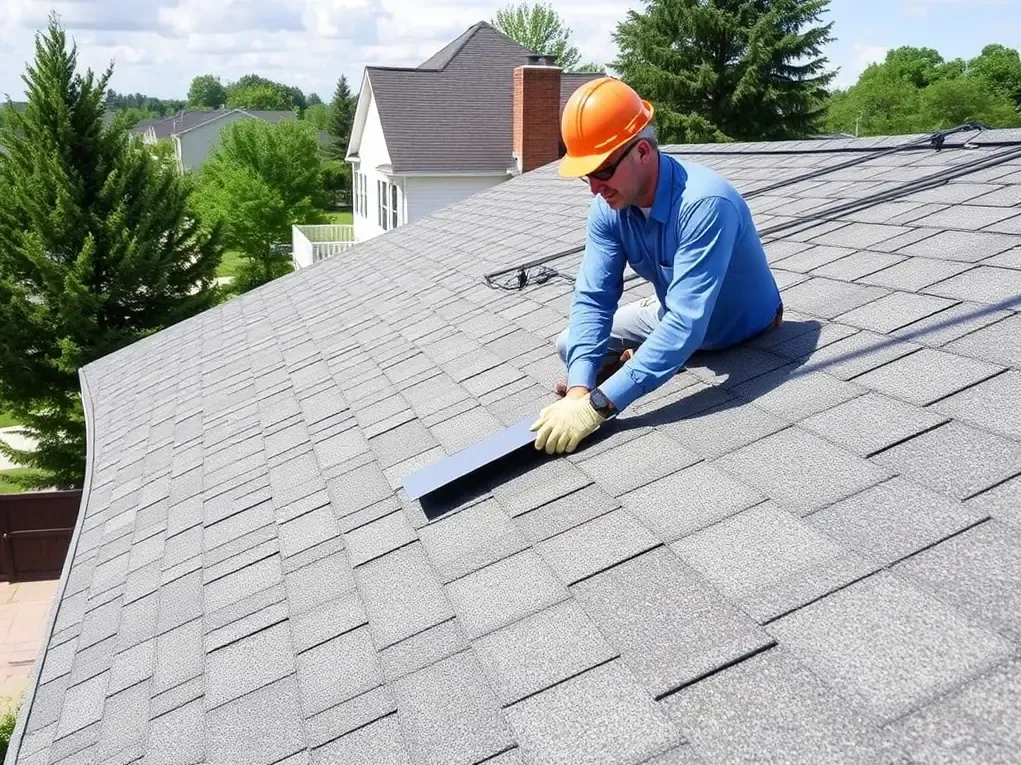
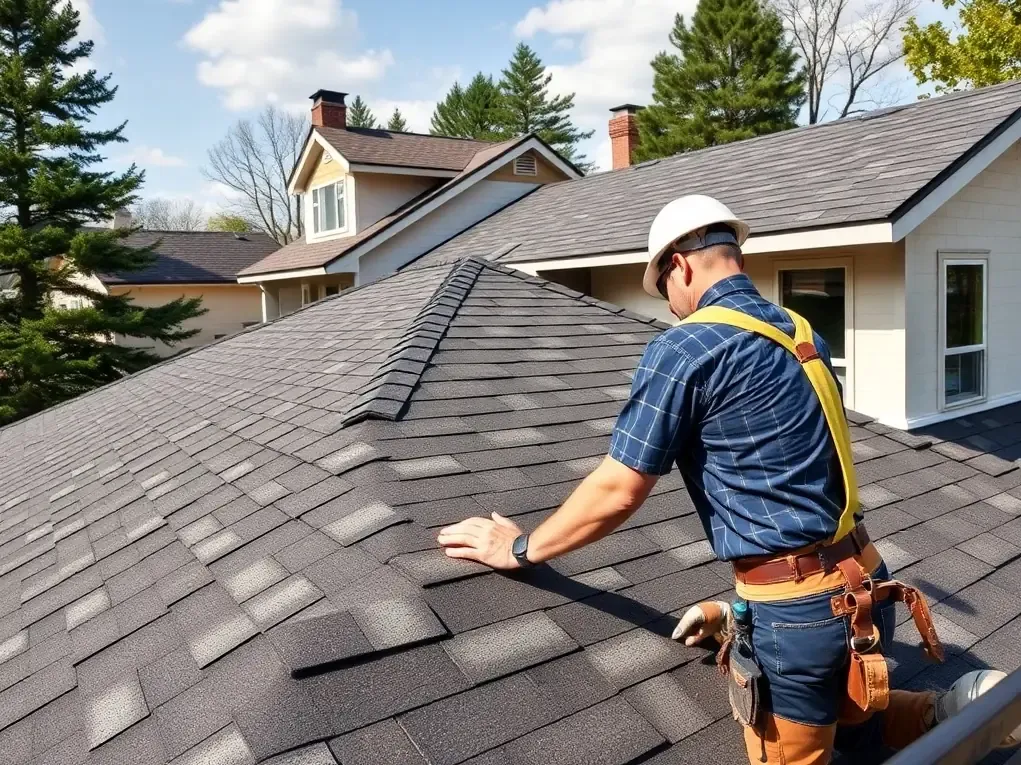
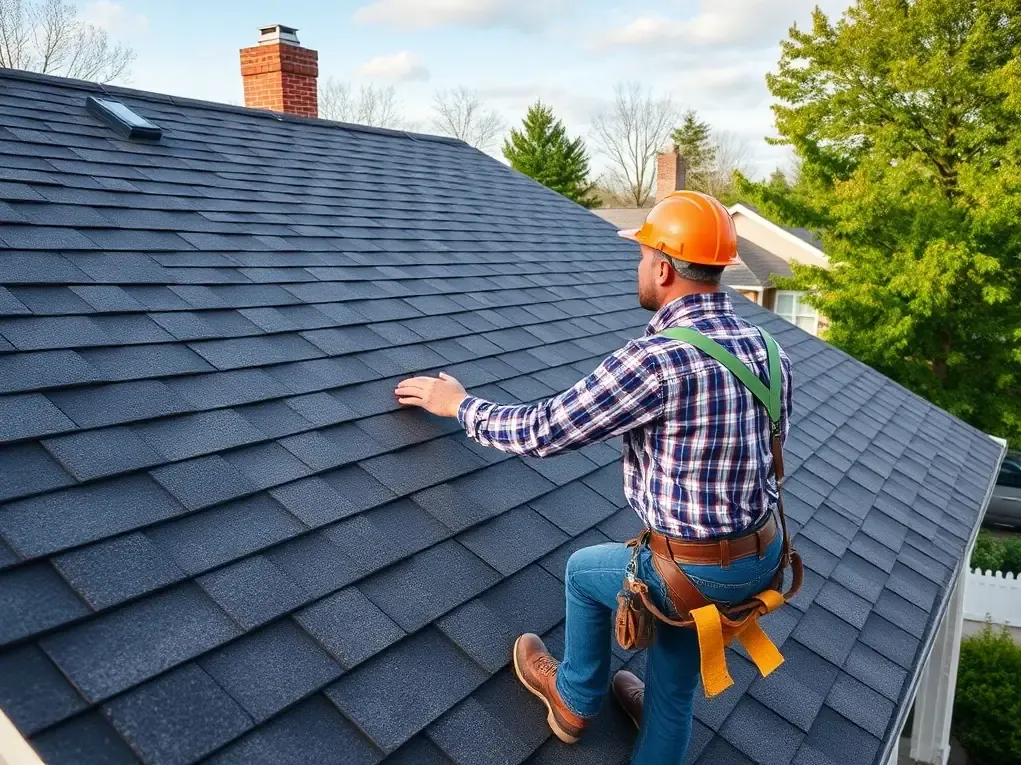
Roofing work in Brentwood, CA — photo 1 Roofing work in Brentwood, CA — photo 2 Roofing work in Brentwood, CA — photo 3