What Roofing Work in Lafayette Includes
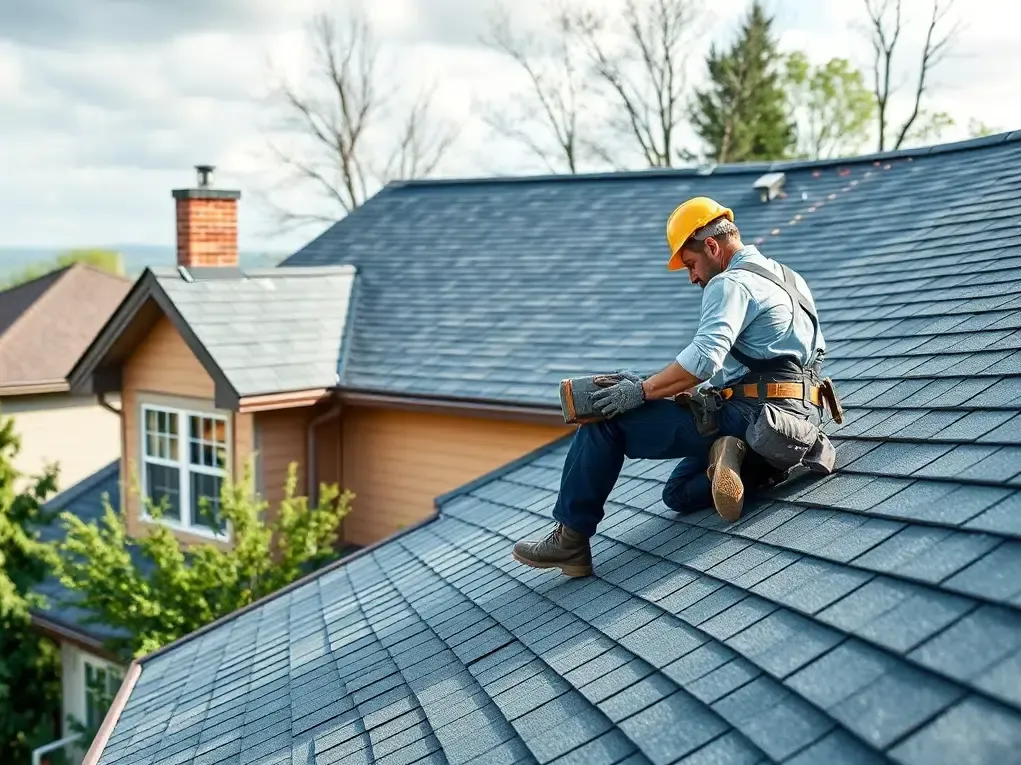
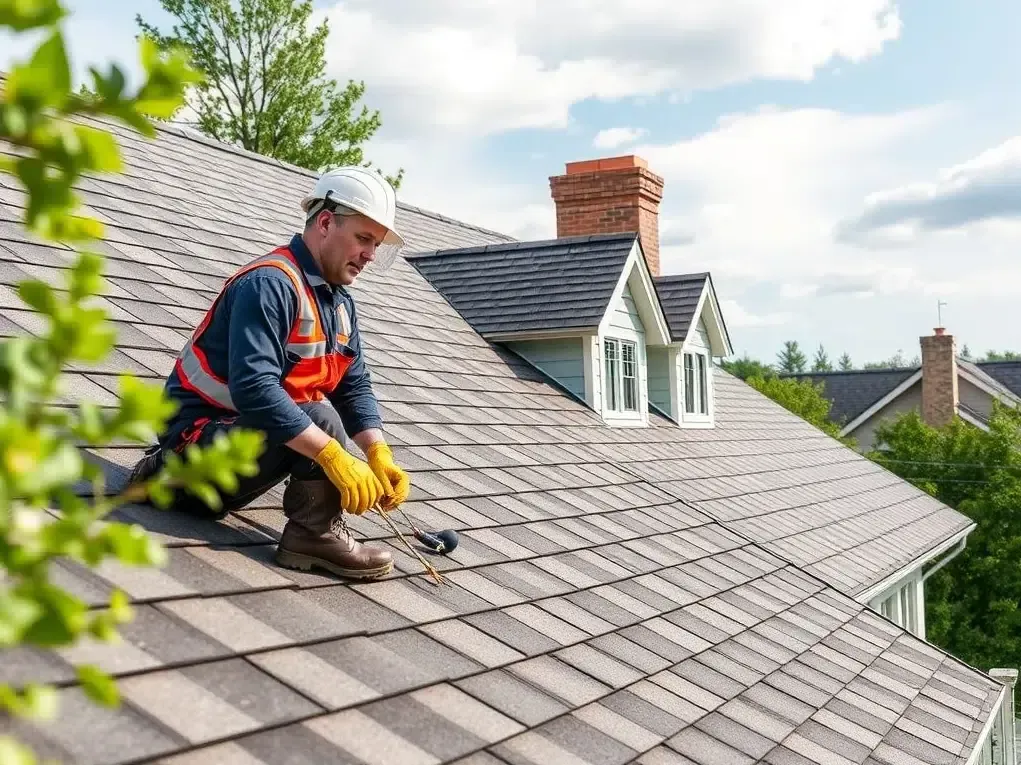
Every project starts with a roof inspection. The roofer walks the pitch, checks the attic from below, and photographs problem areas.
Findings cover the field shingle, ridge cap condition, valley wear, and flashing at every penetration.
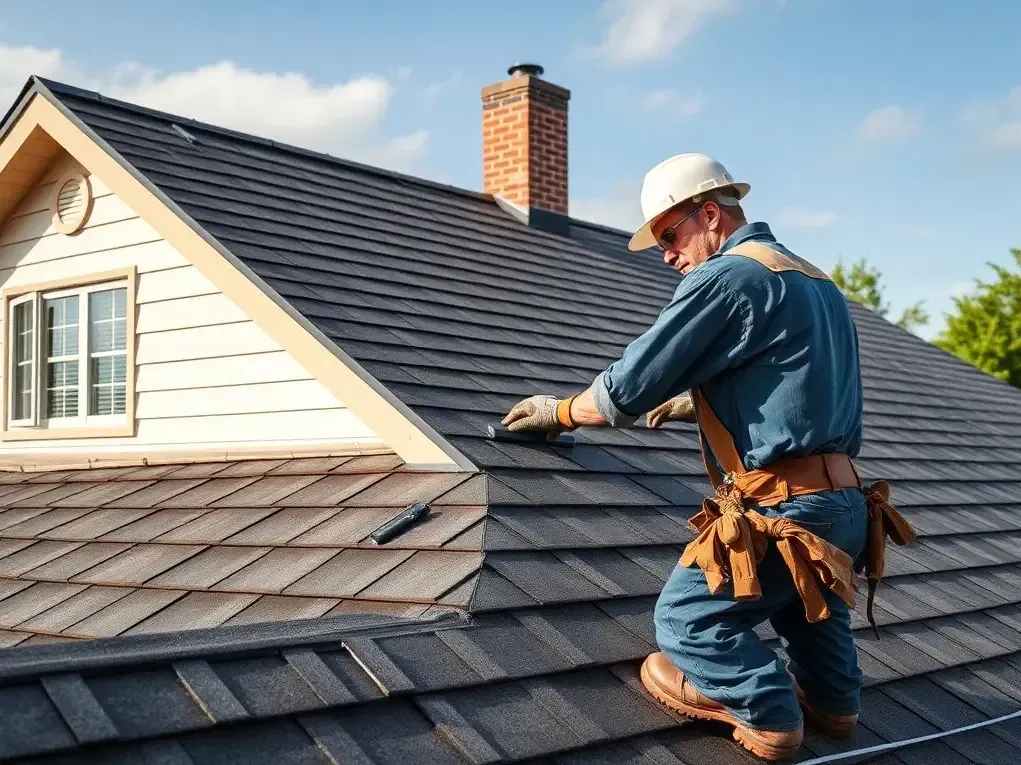
Tear-off comes next when replacement is warranted. Crews strip the old covering down to the roof deck, whether plywood or OSB sheathing.
Rot in rafters or a ridge beam gets flagged for structural review before new material goes down.
Material decisions follow the inspection:
Underlayment choices matter on Lafayette's sun-baked slopes. Synthetic underlayment outlasts traditional tar paper. Ice-and-water shield goes at valleys and eaves.
Drip edge protects the fascia line, and new vent boots replace cracked pipe flashing.
Crews set scaffold and ladders safely on hillside lots.
A nail gun and air compressor speed decking work, while a pry bar and roofing shovel handle tear-off.
Torch-down work on modified bitumen requires care near dry vegetation.
Cleanup is part of the scope. A dumpster sits on site, and crews magnet-sweep the yard for stray fasteners.
Gutters get cleared of debris before the final walkthrough. The homeowner receives photos and a written summary of what was replaced.
- Architectural shingle for most ranch and bungalow roofs
- Wood shake or cedar shake where original character matters
- Tile, clay tile, or concrete tile on hillside estates
- Standing-seam panel or metal panel on modern remodels
- Membrane systems such as TPO or EPDM on low-slope sections