Home Services
Locations AlamoBrentwoodConcordDanvilleLafayetteMartinezNewarkOrindaPittsburgPleasant HillSan Ramon
About Reviews Contact (925) 503-1377

Roofing in Pittsburg, CA

Pittsburg roofs take a beating from both ends of the calendar.

Hot, dry summers bake rooftop surfaces for months, then winter rainstorms test every flashing and drainage detail.

Licensed & Bonded and fully insured
Written Estimates
Local to Pittsburg
Workmanship Warranty

Add gusty Delta breezes off Suisun Bay and shingles work loose. Housing stock here tells you what to expect.

Old Town and San Marco hold early-20th-century cottages and Craftsman-style houses. Postwar single-story ranches fill Oak Hills, Highlands Ranch, and Vista del Mar.

Newer two-story stucco tract homes with tile sit in Marina Park. Each era fails differently.

Aging cottages near Old Town often show worn wood shake or curled three-tab shingle. Ranches hide dried-out underlayment under tired asphalt shingle.

Tile roofs on newer stucco homes fail at flashing, not at the tile. - Sun-baked shingle losing granules and turning brittle

  • Wind-lifted or missing shingles after a Delta gust
  • Winter leaks at valleys, pipe boots, and chimney flashing
  • Clogged gutters and downspouts backing water under the eave

Coastal-influenced damp air near the Pittsburg Marina speeds corrosion on fasteners and metal edges.

A roofer inspecting there looks hard at drip edge and fascia, not just the field of shingles.

Older homes near the California Theatre may carry layered roofing—new shingles over old felt and tar paper.

That adds weight to the roof deck and hides soft sheathing until a pry bar finds it.

A proper roof inspection checks decking condition before any roof estimate is written. Flat and low-slope sections on additions and porches need attention too.

Standing water after a storm is a drainage problem, and no shingle will fix it. Roofing in this city means reading the house first.

A roofing contractor who knows the difference between a 1920s cottage and a 1990s stucco tract home prices the job honestly.

Walnut Creek Roofers works with that same local logic.

1

What Roofing Work in Pittsburg Includes

Work starts with a roof inspection—attic side and rooftop side. Inspectors check sheathing, truss and joist condition, and ventilation before pricing anything.

Tear-off comes next. Crews strip old shingle, felt, and tar down to the roof deck.

A roofing shovel and pry bar pull stubborn nails; a dumpster takes the debris.

Deck repair follows. Soft plywood or osb gets replaced, and any damaged rafter or purlin is sistered or rebuilt. Loose ridge beam connections get refastened.

Dry-in uses synthetic underlayment, with ice-and-water shield at valleys and eaves. Drip edge goes on before shingles.

Steep work needs scaffold or a secured ladder, never a bare ladder against a gutter.

A roofing square, nail gun, and air compressor keep the install consistent. Fasteners get set to the manufacturer's depth—overdriven nails tear shingle.

Flashing is where leaks live. Step flashing at sidewalls, counter-flashing at masonry, chimney flashing, and pipe flashing or a pipe boot all get replaced, not reused.

Attic ventilation gets checked too—ridge vent, soffit vent, and any attic fan. A stuffy attic shortens shingle life from underneath.

Cleanup means magnet-sweeping the yard for nails and hauling the dumpster. A final walk confirms gutters and downspouts flow.

  • Architectural shingle and three-tab shingle on pitched roofs
  • Clay tile and concrete tile on stucco tract homes
  • Standing-seam panel or corrugated panel on porches and sheds
  • Modified bitumen or built-up roof on low-slope sections
2

Quality & Materials Standards

Material choice should match the roof, not the sales pitch. Architectural shingle suits most Pittsburg ranches.

Wood shake or cedar shake belongs on historic cottages where it fits.

Slate is rare here, but some older homes carry it. Metal panel and standing-seam panel handle wind well.

On flat sections, tpo, epdm, or pvc membrane beats patched tar.

Some details are pure craft. A mansard or gambrel roofline needs different flashing than a simple hip or gable.

A small canopy or awning over a door needs its own waterproofing.

Dormers and skylights get boot flashing and sealant, never caulk alone. Mastic and roof cement are temporary fixes, not standards.

Low-slope edges matter. Parapet walls need coping and counter-flashing.

A scupper or roof drain must stay clear, and a vapor barrier under membrane keeps moisture out of the substrate.

Wind exposure near Suisun Bay argues for anchors and snow guard where needed. Weatherproofing is a system, not a single product.

Insurance claims follow the same evidence. Photos of failed flashing, wind-lifted shingle, and saturated decking support a claim.

Honest roofers document conditions and let the adjuster decide.

A coating over an aging roof is a stopgap, not a replacement.

Insulation upgrades and ventilation corrections get recommended when the attic shows heat and moisture problems.

  • Synthetic underlayment instead of roofing felt on most re-roofs
  • Ice-and-water shield at eaves and valleys
  • Sealed fasteners and correct nail placement per building code
3

Seasonal and Storm Exposure in Pittsburg

Summer in Pittsburg is a long, punishing run of dry heat. Rooftops bake from May through October with little cloud cover to break the sun.

Asphalt shingle granules wear thin and clay tile slowly crazes on the hottest exposures.

That sustained heat does quiet damage. Sealant around pipe flashing dries and pulls away.

Tar at the pitch of a valley can crack, opening a path for water that won't show itself for months.

Then the winter rainstorms arrive and test every one of those weak points. Water finds failed flashing first, then saturated underlayment, then the roof deck itself.

Gutters and downspouts that handled light rain suddenly back up under a real storm.

Delta breezes add a third pressure. Gusty winds work at shingle edges, ridge cap, and any loose fascia or soffit trim.

A single lifted shingle becomes a flap, then a tear, then a missing course.

Inspection timing follows from this pattern. Late summer catches heat damage before the rains. Late winter catches storm damage while it's fresh.

  • Pre-rain check: flashing, gutters, sealant, and shingle edges
  • Post-storm check: lifted shingle, missing ridge cap, water stains
  • Annual: attic-side look at decking and underlayment
4

Local Service Areas

Old Town

Old Town's early-20th-century cottages and Craftsman-style houses carry original character and original roofing problems.

Decades of sun and rain have usually left several repair eras stacked on the same rooftop.

San Marco

San Marco's newer two-story stucco tract homes sit under tile roofs built for the sun.

The tile itself lasts, but the details beneath it are where water gets in.

Oak Hills

Oak Hills is postwar ranch country, single-story houses with low-pitch and hip-and-gable rooflines.

Many still run three-tab shingle or asphalt shingle over original decking that has seen better decades.

Highlands Ranch

Highlands Ranch mixes ranch-era homes with later additions, so a single roof often spans more than one material and more than one era.

That patchwork is where leaks hide.

Vista del Mar

Vista del Mar sits close to the water and the breezes off Suisun Bay.

Salt air and steady wind age a roof faster than inland heat alone.

Marina Park

Marina Park's homes face the waterfront and the full force of the bay breezes. Wind exposure here is the defining roofing condition.

  • Wood shake and cedar shake courses that dry, split, and cup
  • Failing chimney flashing and step flashing at wall junctions
  • Soft roof deck and aged tar paper under worn shingle
  • Gutter and downspout runs that clog against narrow eave overhangs
  • Cracked or slipped clay tile and concrete tile after wind
  • Dried-out pipe boot and vent boot seals on the upper roof plane
  • Underlayment aging faster than the tile above it
  • Valley and ridge cap points that need a close roof inspection
  • Worn three-tab shingle with granule loss and bare spots
  • Weathered felt and tar paper showing through at the rake
  • Loose nails and fasteners backing out of aged plywood or osb sheathing
  • Soffit vent and attic fan openings that need weatherproofing attention
  • Shingle-to-tile transitions with failing flashing
  • Dormer and skylight edges that collect debris
  • Older gutter and downspout systems undersized for the runoff
  • Fascia and soffit rot behind backed-up gutters
  • Corroded fasteners and screws on metal panel and standing-seam panel
  • Lifted shingle and ridge cap from gusty Delta wind
  • Weathered sealant and caulk at penetrations
  • Drip edge and eave trim taking the brunt of wind-driven rain
  • Wind-loosened shingle and ridge vent covers
  • Flashing and counter-flashing pulled at chimneys and walls
  • Membrane and tpo or epdm flat sections at additions and porches
  • Pvc membrane and modified bitumen at low-slope transitions
  • Gutter anchors and downspout brackets working loose

What We Do in Pittsburg

Full-service roofing for Pittsburg homeowners:

Explore Nearby Communities

Roofing work across Pittsburg and the surrounding area.

Questions about a specific street, roof type or shared-wall detail? Call (925) 503-1377 and describe the property.

Roofing in Pittsburg?

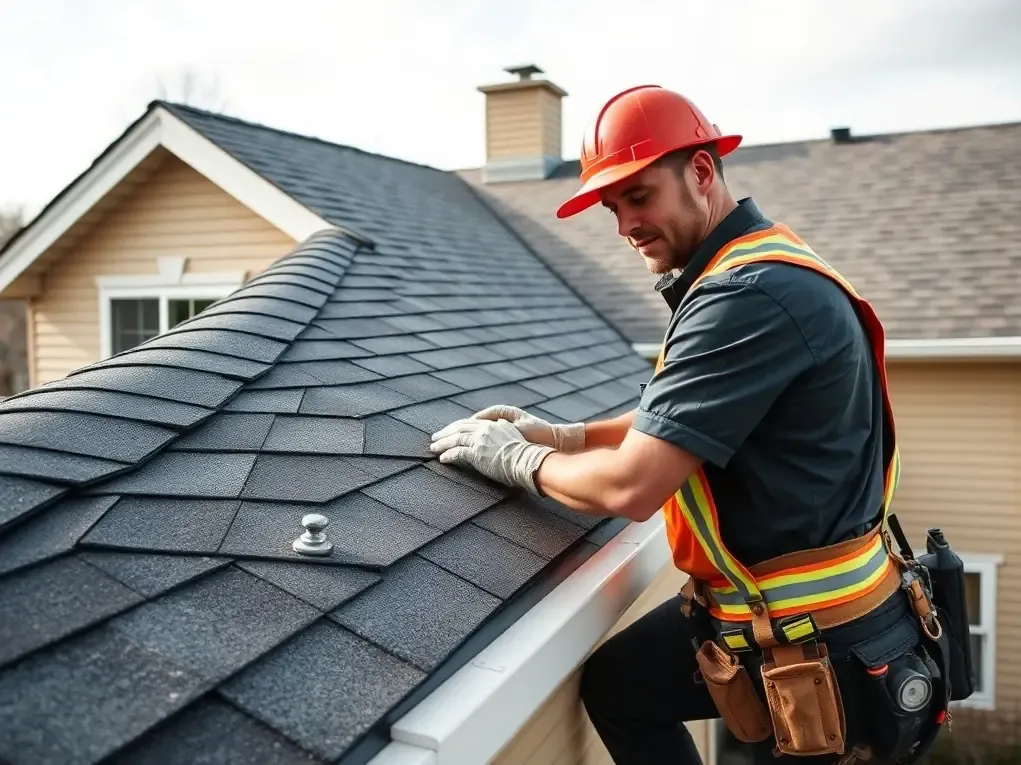
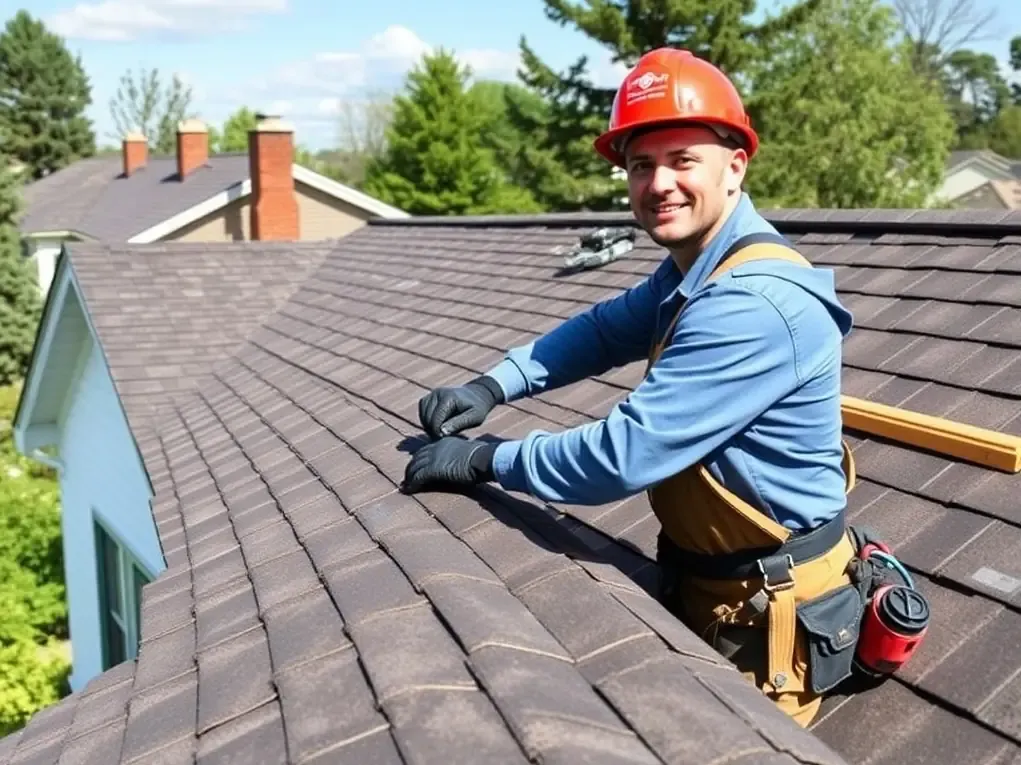
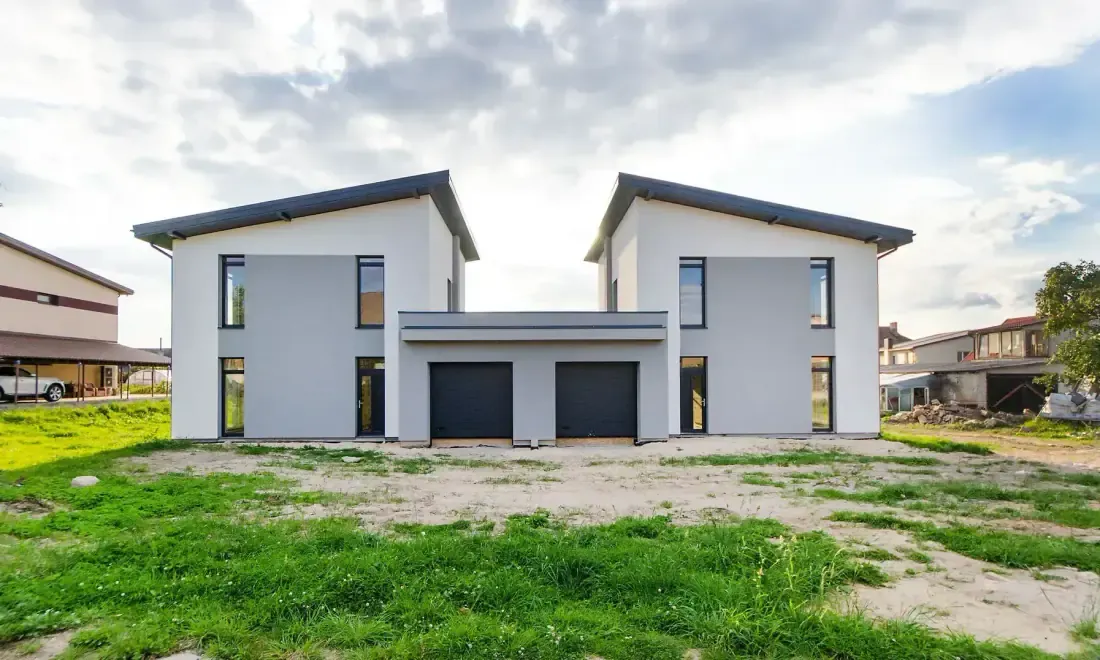
Roofing Reference Images in Pittsburg

Roofing work in Pittsburg, CA — photo 1 Roofing work in Pittsburg, CA — photo 2 Roofing work in Pittsburg, CA — photo 3