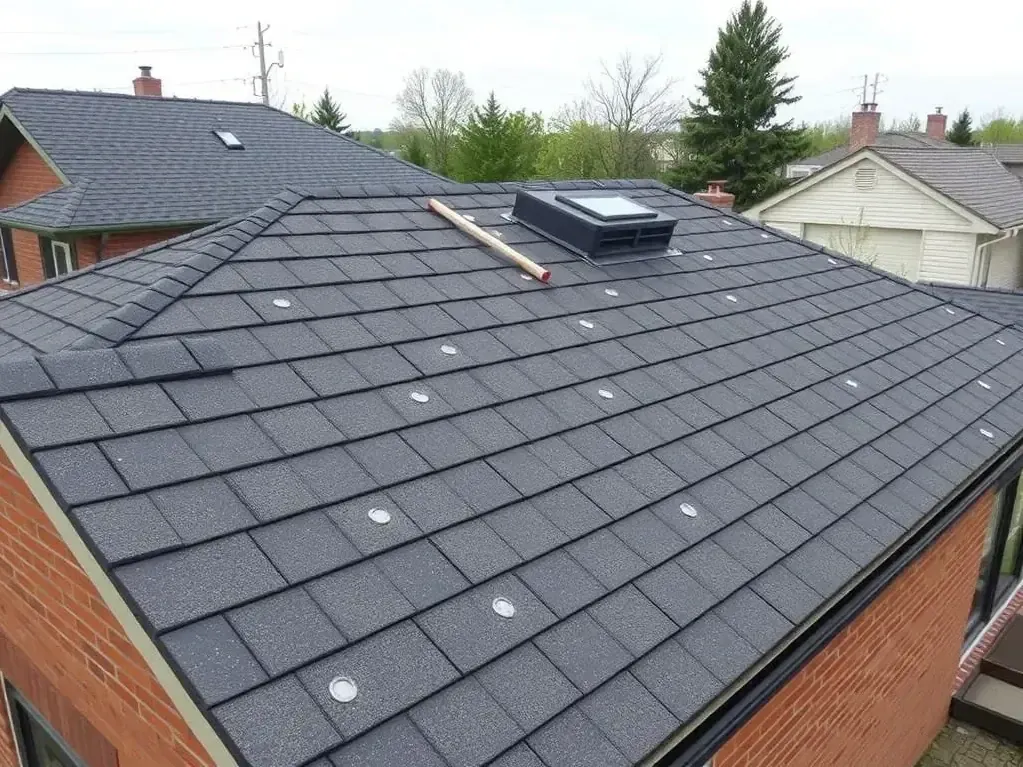
Flat roofing materials differ in how their seams are joined: TPO single-ply uses heat-welded seams, while EPDM rubber typically uses compatible seam tape.
Modified bitumen systems use reinforced asphalt sheets. Membrane selection depends on the existing assembly, attachment requirements and rooftop use.
Flat roofing costs in Walnut Creek depend on roof area, access, existing layers and concealed deck damage.
A tear-off exposes the substrate for repairs; a recover, or overlay, requires a suitable existing assembly. Wet insulation and rot can rule that option out.
Flat roofing replacement becomes appropriate when widespread deterioration or trapped moisture makes isolated repairs insufficient. Prolonged summer sun can age exposed surfaces.
For single-story ranch houses and condominiums, the roof assembly and drainage condition matter more than the building's architectural label.
What's Included
Our free on-site roof inspection is the starting point before work is scheduled; flat-roof concerns include membrane damage, flashing separation and evidence of water collecting around drainage outlets.Our written, itemised estimate sets out the proposed work for your approval. A flat-roof scope should distinguish isolated membrane repairs from replacement and identify any proposed insulation or deck work.Membrane work addresses the agreed repair or replacement area. Compatible materials and the correct seam method are necessary because heat-welded thermoplastic sheets and taped rubber seams require different treatment.Flashing details connect the roof covering to parapets, roof edges and penetrations. The approved scope should identify which transitions need repair or replacement rather than leaving those details assumed.Drainage work addresses the outlets and low areas identified in the scope. Clearing a blockage and correcting inadequate slope are different tasks; persistent ponding requires investigation of the underlying cause.Our completion process includes debris removal, a magnetic nail sweep and a walkthrough of the finished roof with you. Roofing work is carried out by our own crews, not subcontractors.
Signs You Need Flat Roofing
Water remains visible in the same rooftop depression after surrounding surfaces dry. Observe only from a safe existing viewpoint; persistent ponding warrants an inspection rather than a walk across the membrane.Ceiling stains enlarge after rain, or paint begins to peel beneath the roof. Water can travel along the assembly before appearing indoors, so the stain may not mark the entry point.Membrane edges lift, seams open or flashing pulls away from a wall. These gaps can let water seep beneath the covering, where moisture may wick into insulation or contribute to deck decay.Blisters, splits or exposed reinforcement appear on a visible section of roofing. Photograph changes from a safe location; surface deterioration may need a compatible repair or assessment for end-of-life wear.A roofline develops a noticeable sag, or an interior ceiling starts to bow. Keep away from the affected area and contact us about an inspection; visible movement needs assessment beyond surface patching.
Flat Roofing Process
Start with a roof system assessment. Our free on-site inspection precedes scheduling; relevant flat-roof checks include membrane condition, drainage routes and visible flashing defects, with concealed conditions requiring further investigation when necessary.Review the written scope and itemised estimate. Repair, replacement and a possible recover involve different preparation; our work starts only after you approve the scope and price.Prepare the existing assembly for the approved work. Replacement may require tear-off and removal of wet insulation; an overlay requires an assessment of moisture, substrate condition and compatibility before installation.Prepare a sound substrate and address the specified drainage details. Deck damage cannot be corrected with surface sealant, and insulation layout may need adjustment where low areas prevent water reaching an outlet.Install or repair the specified membrane using its required attachment and seam method. Flashing at penetrations and parapets needs compatible detailing; self-adhered modified bitumen requires suitable surface preparation and application conditions.Finish with our debris removal, magnetic nail sweep and roof walkthrough. Ask about the completed scope and maintenance needs, including keeping drainage outlets clear without damaging the surrounding membrane.