Home Services
Locations AlamoBrentwoodConcordDanvilleLafayetteMartinezNewarkOrindaPittsburgPleasant HillSan Ramon
About Reviews Contact (925) 503-1377

Roofing in Orinda, CA

Orinda's roofs live two very different lives each year. Wet winters dump concentrated seasonal rainfall on every roofline in Sleepy Hollow and Glorietta.

Licensed & Bonded and fully insured
Written Estimates
Local to Orinda
Workmanship Warranty

Then dry, sunny summers bake that same rooftop with UV exposure for months.

Autumn brings the Diablo winds, and strong gusts find every loose ridge cap and lifted shingle. Most of the housing stock dates to Orinda's postwar growth.

Mid-century ranch houses still carry original roof deck and sheathing details in neighborhoods like Del Rey and Orinda Downs.

Contemporary hillside homes with split-level layouts add complexity. A single roofline may change pitch three times, with valleys and dormers that collect debris and water.

Spanish- and Mediterranean-style houses, common around Country Club and Ivy Drive, often wear clay tile or concrete tile.

Those roofs age well but hide underlayment failures underneath. Typical failure modes here look like this:

  • Wind-lifted or missing ridge cap and rake shingles after a Diablo wind event. - Failed pipe boot and pipe flashing letting water track down rafters. - Cracked or slipped clay tile exposing old felt and tar paper to rain. - Clogged gutter and downspout runs backing water under the eave and fascia. - Aged three-tab shingle granule loss from years of summer UV. An Orinda roof inspection should read the whole assembly, not just the surface. That means checking attic ventilation and soffit vent airflow. It also means probing sheathing and fascia for soft spots near chimney flashing and skylight curbs. Roof replacement permits run through the City of Orinda's Building Division, so a roofing contractor should know the permit path before work starts. Repairs on hillside homes may also need scaffold or ladder staging planned around steep access.
1

What Roofing Work in Orinda Includes

Roofing work here starts with a roof inspection and a written roof estimate. A roofer walks the rooftop and checks the underlayment, flashing, and decking condition.

Access on steep or split-level homes often requires scaffold rather than a single ladder.

Material scope depends on the existing assembly. Tear-off means removing shingle, felt, fasteners, and old roof cement down to the substrate.

A pry bar and roofing shovel do most of that work, with debris loaded into a dumpster.

Replacement scope commonly covers:

Field work varies by material. Asphalt shingle and architectural shingle go down with a nail gun fed by an air compressor.

Tile and clay tile work needs batten and counterbatten over the substrate.

Standing-seam panel and metal panel jobs call for careful fastener and sealant control at every lap.

Flat or low-slope sections may get a membrane such as TPO, EPDM, or PVC membrane.

Cleanup is its own scope item. Magnets sweep the lawn and driveway for stray nails and screws.

Gutters get cleared of debris, and the site is walked with the homeowner at closeout.

  • Decking repair: replacing rotted plywood or OSB sheathing and sistering damaged rafters or joists.
  • Underlayment: synthetic underlayment across the field, with ice-and-water shield at eaves and valleys.
  • Edge metal: new drip edge at the eave, rake, and gable verge, plus replacement fascia and soffit where rot is found.
  • Flashing: step flashing, counter-flashing, chimney flashing, and pipe flashing with new boots at every penetration.
  • Ventilation: ridge vent, soffit vent, or attic fan work so the roof deck breathes.
2

Quality & Materials Standards

Good standards begin with the roof deck. Sheathing must be sound, fastened, and flat before any new substrate goes down.

Skipping that step hides problems under a fresh surface.

Underlayment choice matters in Orinda's wet winters. Synthetic underlayment outlasts traditional roofing felt and tar paper. An ice-and-water shield belongs at eaves, valleys, and around penetrations.

Flashing detail separates a lasting roof from a callback. Every valley, dormer, and chimney needs proper step flashing and counter-flashing.

Apron flashing at parapet and coping transitions deserves the same care.

Material standards worth holding to:

Building code compliance is not optional, and neither is honest scope. A quote should state what is excluded, such as fascia repair or skylight replacement.

That protects both sides if hidden rot appears.

Insurance vocabulary helps homeowners ask better questions. Storm damage claims usually hinge on documented wind or water intrusion.

A roofing contractor should photograph conditions and describe failures in plain terms.

Manufacturer warranties cover materials; workmanship coverage is separate. Read both before signing, and confirm what voids them.

A roof is a system of shingle, flashing, and ventilation working together.

  • Ridge cap and hip details fastened to spec, not spot-nailed.
  • Sealant and caulk used as a supplement to flashing, never a substitute.
  • Proper ventilation balance between soffit vent intake and ridge vent exhaust.
  • New gutter and downspout sizing matched to the roof's actual runoff.
3

Seasonal and Storm Exposure in Orinda

Wet winters arrive as concentrated bursts, not a gentle soak. Weeks of dry weather can end with several inches in a single storm cycle.

That pattern punishes roofs built for gentler rain. Water finds every failed sealant line and lifted shingle tab.

Mid-century ranch roofs often carry aging three-tab shingle. Once granules wash into the gutter, the asphalt underneath dries and cracks.

Tile and clay tile hold up better to rain but hide a quiet problem. Original underlayment beneath them ages out long before the tile itself.

Dry, sunny summers add a second stress. UV exposure bakes asphalt, dries caulk, and brittles pipe boots and flashing seals.

By August, small cracks at chimney flashing and valleys are common on sun-facing slopes.

Then autumn brings the Diablo winds. Strong gusts pry at ridge caps, rake edges, and loose fascia trim.

Wind-driven debris can nick metal panel finishes and crack aged skylight seals.

Inspection timing follows the calendar here. Late summer is the right window — before the first storm tests every weak point.

A roofer who knows this rhythm will walk the pitch looking for the same things each season. Wind scars. Sun-cracked mastic. Felt that has given up.

  • Late August to September: pre-winter roof inspection, flashing and sealant checks
  • October: clear gutters and downspouts before the rains concentrate
  • After any major wind event: check ridge, rake, and eave edges
  • Early spring: look for lifted shingle tabs and storm-driven moisture at the deck
4

Local Service Areas

Sleepy Hollow

Sleepy Hollow's wooded lots and sloping yards shape how roofs age here. Tree cover keeps shade on the rooftop, which slows drying after rain.

Glorietta

Glorietta mixes contemporary hillside homes with split-level layouts that break the roofline into many planes. Each transition is a place water can get in.

Del Rey

Del Rey's Spanish- and Mediterranean-style houses often wear tile roofs over older substrate. The tile outlasts what holds it up.

Orinda Downs

Orinda Downs grew during the postwar ranch-house boom, and that era still defines its rooftops. Simple gable and hip forms hide real wear.

Country Club

Country Club's larger homes and varied architecture mean varied roofing systems. Contemporary and traditional styles sit side by side.

Ivy Drive

Ivy Drive's hillside contemporary homes sit exposed to wind and sun on more than one face. Slope orientation changes how each roof ages.

  • Shaded north slopes stay damp longer, feeding moss growth that lifts asphalt shingle edges
  • Mid-century ranch houses here often still carry original or second-layer three-tab shingle
  • Leaf debris packs valleys and gutter runs after every autumn wind
  • Damp sheathing under old roofing felt shows up during tear-off on these homes
  • Split-level designs create multiple valleys and short rake sections where flashing fails first
  • Low-slope sections on some homes call for membrane or modified bitumen rather than shingle
  • Wind-driven rain pushes at step flashing along walls and dormer sides
  • Hillside exposure means gutters and downspouts must handle fast runoff
  • Clay tile and concrete tile mask aging underlayment until leaks reach the ceiling
  • Original felt and tar paper beneath tile commonly fail before the tile does
  • Flat or low-pitch accents may need a built-up roof or membrane repair
  • Missing or cracked tile lets water past the weatherproofing layer at the eave
  • Gable and hip roofs from the mid-century era often need full decking inspection at replacement
  • Aging plywood and OSB sheathing softens around pipe flashing and vent boots
  • Ridge cap shingles on these low-slope gables take the worst of Diablo wind gusts
  • Attic ventilation and soffit vent condition matter on tightly built ranch attics
  • Mixed roof styles mean a roofer may find architectural shingle beside metal panel on one street
  • Dormers and skylights introduce extra flashing and sealant failure points
  • Larger roof areas mean more ridge vent and ventilation planning at replacement
  • Decorative overhangs and fascia trim need weatherproofing checks after wind events
  • Steep pitches on hillside homes demand careful scaffold and ladder staging for safe access
  • Sun-facing slopes show faster shingle aging and dried sealant at pipe boots and vents
  • Wind exposure at rake and verge edges lifts fasteners and loosens trim
  • Multi-level rooflines create short valleys where debris and water collect

What We Do in Orinda

Full-service roofing for Orinda homeowners:

Explore Nearby Communities

Roofing work across Orinda and the surrounding area.

Questions about a specific street, roof type or shared-wall detail? Call (925) 503-1377 and describe the property.

Roofing in Orinda?

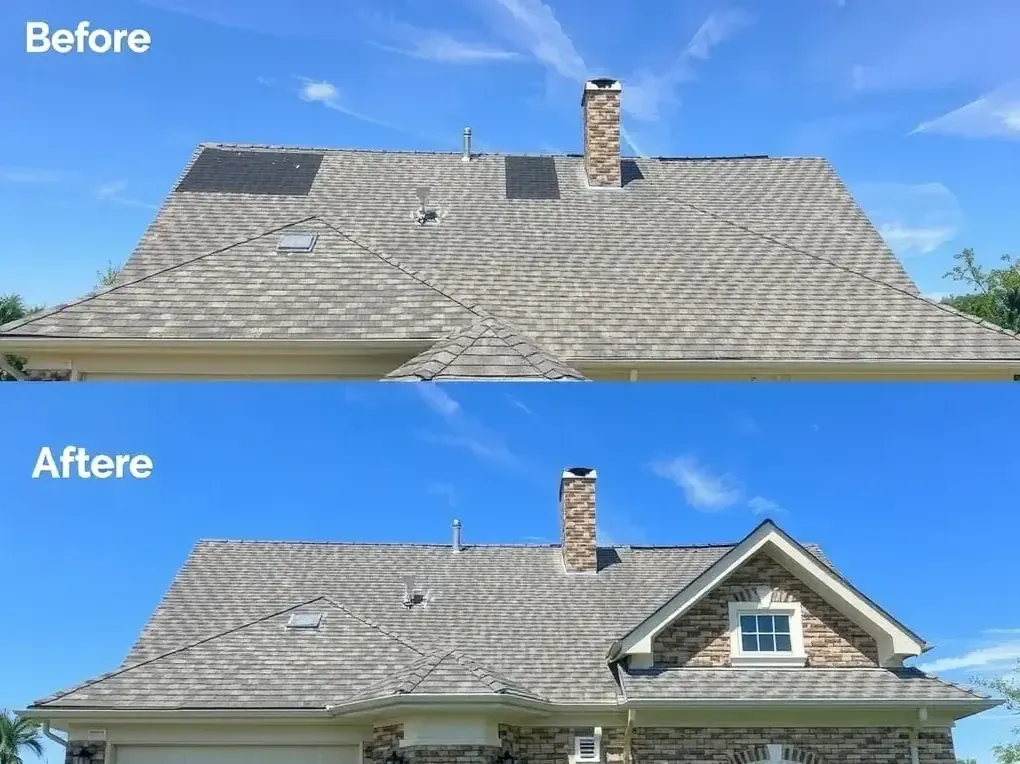
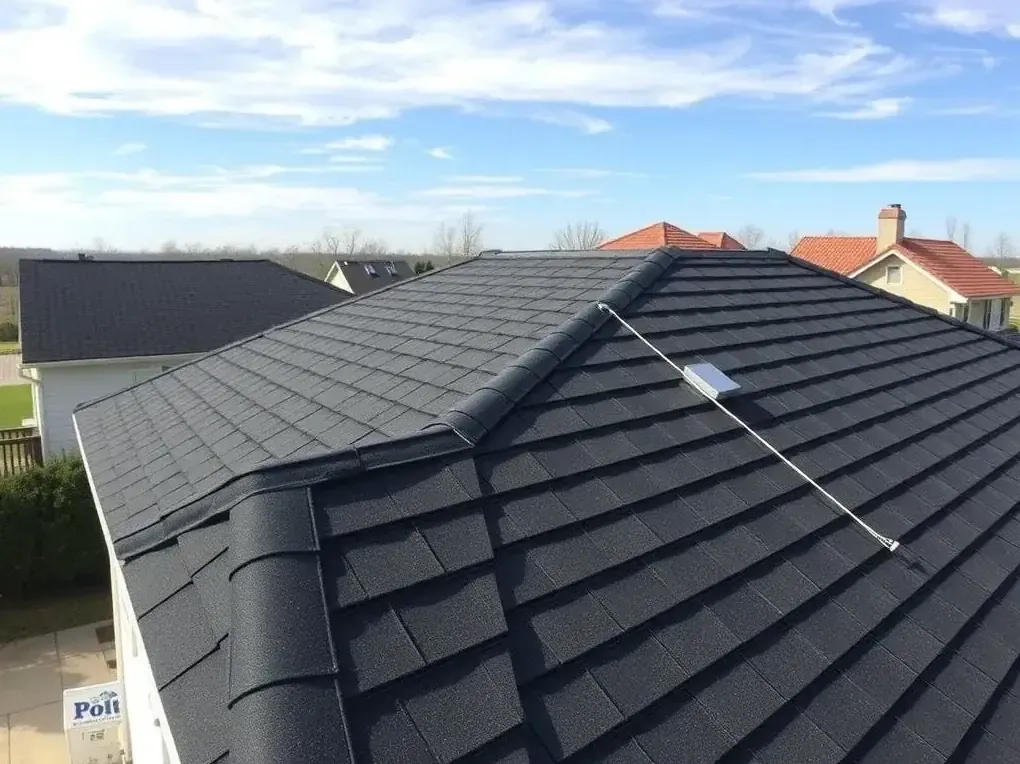
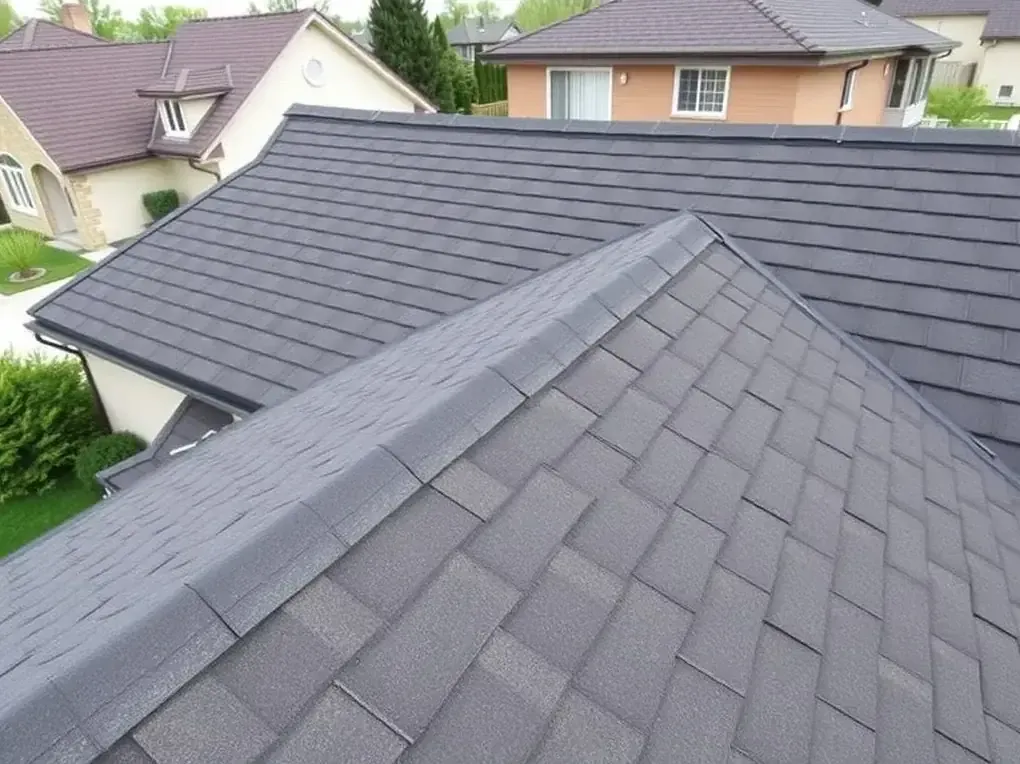
Roofing Reference Images in Orinda

Roofing work in Orinda, CA — photo 1 Roofing work in Orinda, CA — photo 2 Roofing work in Orinda, CA — photo 3